
Thank you! Your submission has been successfully received!
Oops! Something went wrong while submitting the form. Please check that you email is spelled correctly.

Traditional Chinese medicine (TCM) is an ancient medical system that can help you regain your natural healing ability. TCM is an integral part of Chinese culture where it’s practised alongside Western medicine to provide medical and health services.

Chinese medicine has unique diagnostic methods and at its heart is the tenet that the root cause of illnesses, not just their symptoms, must be treated.

The healing journey involves the patients in their own treatment from the start, encouraging them to take control of their own health from day one to overcome a certain condition.

In modern-day terms, Chinese medicine is holistic in its approach: it views every aspect of a person – body, mind and emotions – as part of one complete circle rather than loosely connected pieces to be treated individually.
Traditional Chinese medicine (TCM) is an ancient medical system that can help you regain your natural healing ability. TCM is an integral part of Chinese culture where it’s practised alongside Western medicine to provide medical and health services.
Chinese medicine has unique diagnostic methods and at its heart is the tenet that the root cause of illnesses, not just their symptoms, must be treated.
The healing journey involves the patients in their own treatment from the start encouraging them to take control of their own health from day one to overcome a certain condition.
In modern-day terms, Chinese medicine is holistic in its approach: it views every aspect of a person – body, mind and emotions – as part of one complete circle rather than loosely connected pieces to be treated individually.
Acupuncture is the method of using tiny, hair-thin needles to regulate the flow of your body’s vital energy, also called qi. Like blood, qi flows in invisible vessels called acupuncture meridians or channels. The needles are placed in specific acupuncture points along those invisible lines of energy running beneath the surface of the skin.

Acupuncture stimulates the energy balance of the body and works to restore health.
Know MoreAcupuncture can treat a variety of conditions from physical pain to more internal conditions such as asthma, digestive problems and emotional wellbeing. Below are areas that I am specialised in and treat on a regular basis. If you would like to find out if acupuncture can help you with your particular condition, please get in touch and I’ll be able to advise you.
Traditional Chinese Medicine has a sophisticated approach to the understanding of pain. Pain itself is understood not as a singular instance but rather in relation to the overall health of the body. Some physical pain can be easily linked to stress and emotions or to an underlying health problem, so pain is not treated in isolation. Acupuncture can provide real relief from common forms of pain including:

Stiff and tense shoulders can result from bad posture or sitting for long periods. Slipped discs in the spine can cause pain down the legs along the sciatic nerve, which travels the course of acupuncture meridians. Many people with acute or chronic pain on the back, shoulders, arms or legs find acupuncture helpful as it has a low risk of side effects and can help reduce the use of anti-inflammatory medication and painkillers. Acupuncture, by addressing the root cause, releases the tension and improves or completely eliminates the pain.
Pain in the internal organs can range from a mild discomfort during digestion to acute pain caused by conditions such as IBS, kidney infections, cancer or problems in the reproductive system in women. Acupuncture can be very effective in the treatment of this kind of pain while supporting the recovery process.
Emotions can make some parts of the body tense and painful. This can manifest as shoulders and neck tension, abdominal bloating or increased heart rate. The holistic approach of acupuncture can address physical pain that is caused by the interaction of emotions with the body.
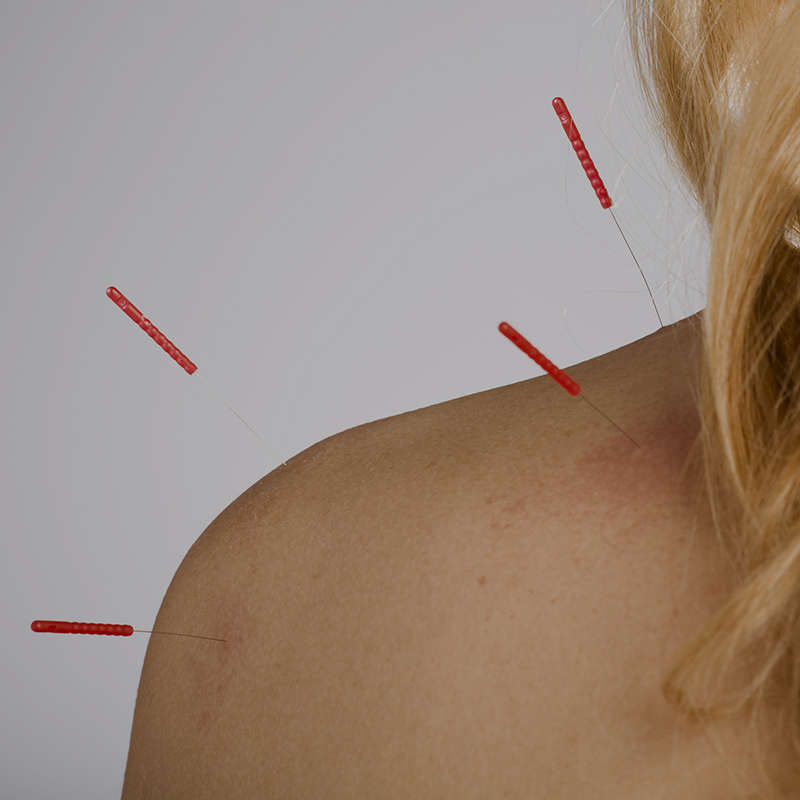
Most of us experience emotional stress and the effect it can have at a physical and emotional level. Acupuncture, by treating the physical body helps rebalance your emotions with few to no side-effects. It can also be safely used in conjunction with medication and psychological therapy. By regulating emotions, acupuncture helps integrate the therapeutic components of psychological treatment. It can help you build your confidence, energy levels and balance your emotional and physical wellbeing. It can also be used to help reduce the side effects of medication. These are some of the conditions I treat regularly:
Life events like stress at work or the break-up of a relationship can lead to stressful situations that trigger a fight or flight response. Acupuncture is believed to stimulate the nervous system and bring a calming effect. It promotes physical and mental wellbeing, helping to address and overcome stressful life situations. Acupuncture can be a great way to relieve stress naturally before it turns into a more chronic condition.
There is a growing body of research that shows acupuncture can help treat the symptoms of anxiety by stimulating parts of the brain that cause the anxiety. It can be particularly helpful for people who want to reduce or stop medication.
Depression is more than feeling down and can be triggered by life changing events such as bereavement, losing a job or having a baby. Acupuncture works on the innate healing capacity of the body to regulate itself and help develop a different way to see the world. Some patients feel emotional during treatment or between sessions allowing for the release of supressed emotions or frustrations. Like anxiety acupuncture can be particularly helpful to reduce or stop medication.
Sleeping problems can affect energy levels and have an impact on social life and relationships or the ability to concentrate at work. Sleep disturbance can have many causes. Seen from the Chinese medicine perspective sleep disturbances is the inability of the mind to shut down at night as part of the day and night cycle. Chinese medicine looks at all the signs and symptoms that may cause the sleeping problem and addresses those at the root.
Sleepiness during the day, on the other hand, can also have its root in a disturbance of the day and night cycle which Chinese medicine takes into consideration when making a diagnosis.
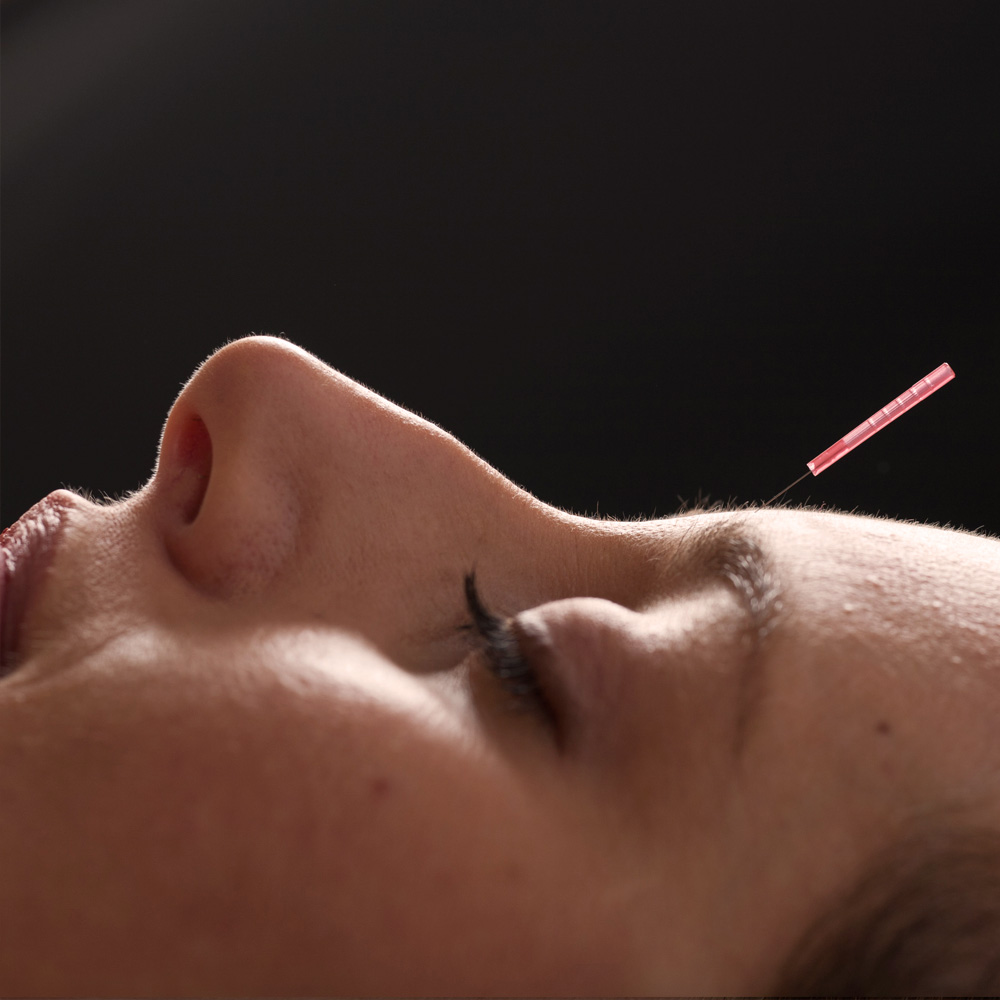
In China acupuncture has been used to treat women’s health for centuries. Although the demands on women today are somewhat different than those of ancient China, acupuncture continues to provide support and alleviate some of the symptoms associated with women’s health. I help many women during different stages in life who juggle a fast-paced career and family. What I treat include:
The menstrual cycle can be affected by various factors such as stress, over-thinking and worrying, an irregular lifestyle or changes in body temperature. If the qi is stagnant, blood cannot flow easily, causing many of the symptoms women experience before their periods. Acupuncture can reduce menstrual pain, balance the emotions and regulate the cycle.
Clinical trials have shown that the use of acupuncture during IVF treatment increases the success rate by 50%. The regulatory function of acupuncture prepares the body for conception and increases the chances of fertilisation as an alternative or as an adjunct therapy to IVF treatment.
Pregnancy places specific demands on the body that can affect the free movement of qi and the production of blood. The increased demand for qi and blood to nourish the fetus can lead to insufficiency and stagnation and result in many of the symptoms women experience during pregnancy. Acupuncture treatment can be used throughout pregnancy to support the mother’s overall health as well as to relieve morning sickness, heartburn or other digestive problems, heaviness of the legs or backache. It can also be used to correct a breech baby, to relieve anxiety and induce labour or for postnatal depression.
The cessation of menstruation is a period of physical and psychological changes that occur as a result of a reduced production of the female hormone oestrogen. Many of the symptoms women experience during the menopause can be explained according to the diagnostic principles of Chinese medicine and be treated with acupuncture.
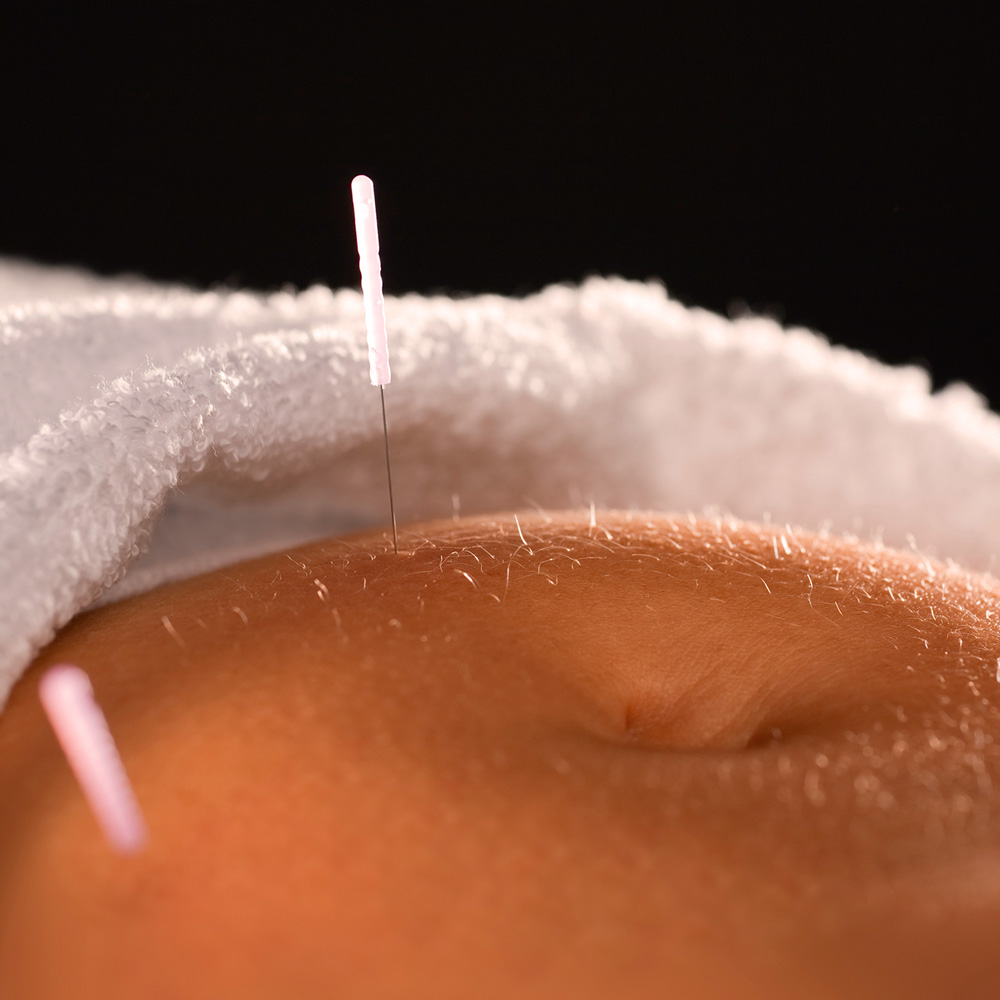
Chinese medicine promotes a balanced healthy life and focuses on preventing ill-health as much as in treating disease. This approach will naturally help with the aging process and external beauty.
We cannot change our genetics but we can change the way we live by improving our life styles and the choices we make. Acupuncture supports your physical, mental and emotional wellbeing so you can make positive changes to enhance the quality of your life, improve your overall health and prevent illness and the signs of aging.
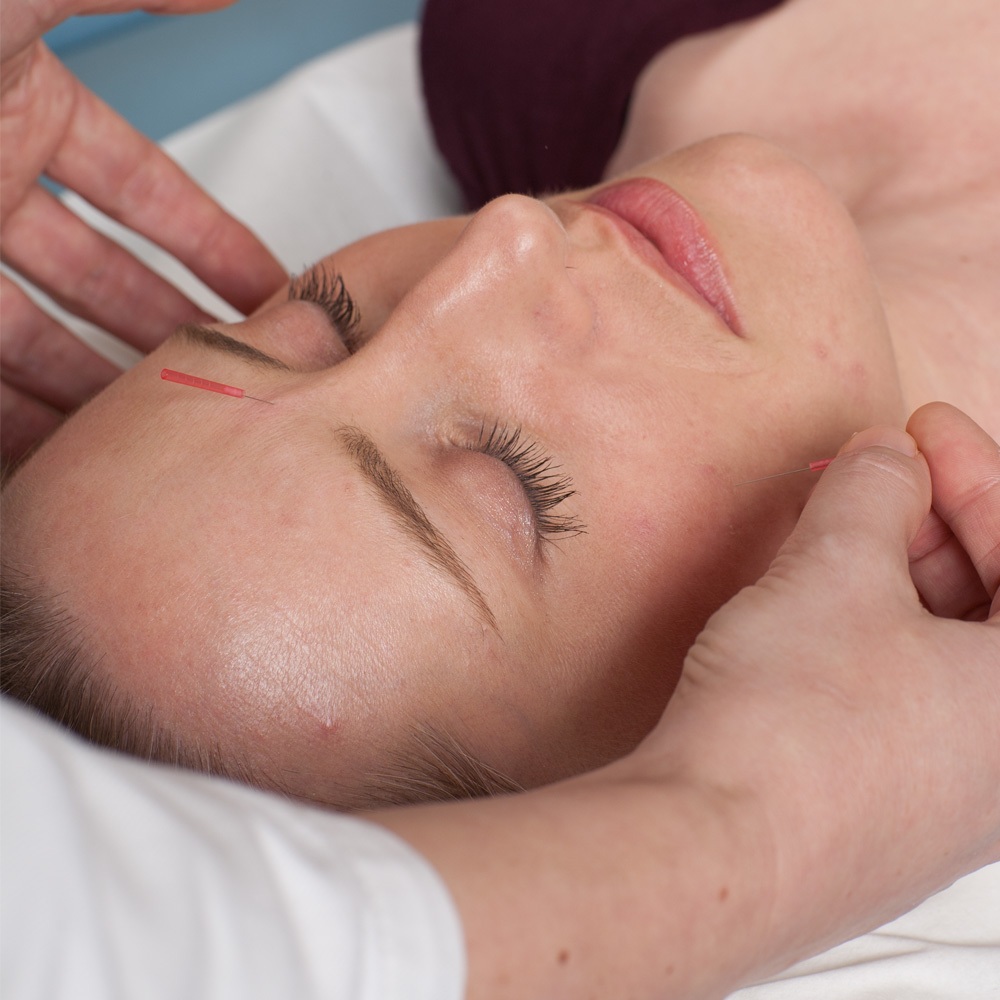
Cosmetic Acupuncture, also known as Facial Rejuvenation Acupuncture has been used for thousands of years as an effective treatment to help reduce the signs of ageing. By inserting hair-thin needles into the face, the circulation of qi and blood stimulates the production of collagen. This firms the skin and has a diminishing effect on wrinkles and fine lines and can also eliminate puffiness and reduce bags under the eyes. When you have facial acupuncture other points in the body are stimulated to encourage the flow of qi along the meridians and help regulate hormones. Conditions such as acne and dry skin can also be improved.
Sliding cupping can help the visible signs of cellulite by breaking down fatty deposits and lymphatic congestion under the skin. It acts like a deep tissue massage to release toxins and clear blockages.
Traditional Chinese Medicine has a sophisticated approach to the understanding of pain. Pain itself is understood not as a singular instance but rather in relation to the overall health of the body. Some physical pain can be easily linked to stress and emotions or to an underlying health problem, so pain is not treated in isolation. Acupuncture can provide real relief from common forms of pain including:
Stiff and tense shoulders can result from bad posture or sitting for long periods. Slipped discs in the spine can cause pain down the legs along the sciatic nerve, which travels the course of acupuncture meridians. Many people with acute or chronic pain on the back, shoulders, arms or legs find acupuncture helpful as it has a low risk of side effects and can help reduce the use of anti-inflammatory medication and painkillers. Acupuncture, by addressing the root cause, releases the tension and improves or completely eliminates the pain.
Pain in the internal organs can range from a mild discomfort during digestion to acute pain caused by conditions such as IBS, kidney infections, cancer or problems in the reproductive system in women. Acupuncture can be very effective in the treatment of this kind of pain while supporting the recovery process.
Emotions can make some parts of the body tense and painful. This can manifest as shoulders and neck tension, abdominal bloating or increased heart rate. The holistic approach of acupuncture can address physical pain that is caused by the interaction of emotions with the body.
Most of us experience emotional stress and the effect it can have at a physical and emotional level. Acupuncture, by treating the physical body helps rebalance your emotions with few to no side-effects. It can also be safely used in conjunction with medication and psychological therapy. By regulating emotions, acupuncture helps integrate the therapeutic components of psychological treatment. It can help you build your confidence, energy levels and balance your emotional and physical wellbeing. It can also be used to help reduce the side effects of medication. These are some of the conditions I treat regularly:
Life events like stress at work or the break-up of a relationship can lead to stressful situations that trigger a fight or flight response. Acupuncture is believed to stimulate the nervous system and bring a calming effect. It promotes physical and mental wellbeing, helping to address and overcome stressful life situations. Acupuncture can be a great way to relieve stress naturally before it turns into a more chronic condition.
There is a growing body of research that shows acupuncture can help treat the symptoms of anxiety by stimulating parts of the brain that cause the anxiety. It can be particularly helpful for people who want to reduce or stop medication.
Depression is more than feeling down and can be triggered by life changing events such as bereavement, losing a job or having a baby. Acupuncture works on the innate healing capacity of the body to regulate itself and help develop a different way to see the world. Some patients feel emotional during treatment or between sessions allowing for the release of supressed emotions or frustrations. Like anxiety acupuncture can be particularly helpful to reduce or stop medication.
Sleeping problems can affect energy levels and have an impact on social life and relationships or the ability to concentrate at work. Sleep disturbance can have many causes. Seen from the Chinese medicine perspective sleep disturbances is the inability of the mind to shut down at night as part of the day and night cycle. Chinese medicine looks at all the signs and symptoms that may cause the sleeping problem and addresses those at the root.
Sleepiness during the day, on the other hand, can also have its root in a disturbance of the day and night cycle which Chinese medicine takes into consideration when making a diagnosis.
In China acupuncture has been used to treat women’s health for centuries. Although the demands on women today are somewhat different than those of ancient China, acupuncture continues to provide support and alleviate some of the symptoms associated with women’s health. I help many women during different stages in life who juggle a fast-paced career and family. What I treat include:
The menstrual cycle can be affected by various factors such as stress, over-thinking and worrying, an irregular lifestyle or changes in body temperature. If the qi is stagnant, blood cannot flow easily, causing many of the symptoms women experience before their periods. Acupuncture can reduce menstrual pain, balance the emotions and regulate the cycle.
Clinical trials have shown that the use of acupuncture during IVF treatment increases the success rate by 50%. The regulatory function of acupuncture prepares the body for conception and increases the chances of fertilisation as an alternative or as an adjunct therapy to IVF treatment.
Pregnancy places specific demands on the body that can affect the free movement of qi and the production of blood. The increased demand for qi and blood to nourish the fetus can lead to insufficiency and stagnation and result in many of the symptoms women experience during pregnancy. Acupuncture treatment can be used throughout pregnancy to support the mother’s overall health as well as to relieve morning sickness, heartburn or other digestive problems, heaviness of the legs or backache. It can also be used to correct a breech baby, to relieve anxiety and induce labour or for postnatal depression.
The cessation of menstruation is a period of physical and psychological changes that occur as a result of a reduced production of the female hormone oestrogen. Many of the symptoms women experience during the menopause can be explained according to the diagnostic principles of Chinese medicine and be treated with acupuncture.
Chinese medicine promotes a balanced healthy life and focuses on preventing ill-health as much as in treating disease. This approach will naturally help with the aging process and external beauty.
We cannot change our genetics but we can change the way we live by improving our life styles and the choices we make. Acupuncture supports your physical, mental and emotional wellbeing so you can make positive changes to enhance the quality of your life, improve your overall health and prevent illness and the signs of aging.
Cosmetic Acupuncture, also known as Facial Rejuvenation Acupuncture has been used for thousands of years as an effective treatment to help reduce the signs of ageing. By inserting hair-thin needles into the face, the circulation of qi and blood stimulates the production of collagen. This firms the skin and has a diminishing effect on wrinkles and fine lines and can also eliminate puffiness and reduce bags under the eyes. When you have facial acupuncture other points in the body are stimulated to encourage the flow of qi along the meridians and help regulate hormones. Conditions such as acne and dry skin can also be improved.
Sliding cupping can help the visible signs of cellulite by breaking down fatty deposits and lymphatic congestion under the skin. It acts like a deep tissue massage to release toxins and clear blockages.